

About us: LogDynamics – Bremen's network for logistics
Innovation through networking
Bremen is a leading science and business location for the economy and logistics. In the state of Bremen, research and practice form a productive symbiosis: the economy provides the questions, while science acts as a catalyst for innovation and a qualification partner.
The Logistics Research and Transfer Center (FTS Logistik), known as LogDynamics, is a central element of Bremen's Science Plan 2025/2030. Our goal is the strategic networking of scientists, institutions, and partners from business and society in order to strengthen Bremen/Bremerhaven as a logistics location in the long term.
Overview of LogDynamics' core objectives:
- Cooperation: Establishment of a sustainable competence and transfer network.
- Interdisciplinary research: Focus on excellent, internationally visible projects – from basic research to application.
- Knowledge transfer: Intensive exchange between research institutions, society, and companies.
- Visibility: Bundling of regional activities for strong international visibility.
- Qualification: Training of students, doctoral candidates, and skilled workers, as well as promotion of young scientists.
LogDynamics members: Stronger together
Membership in FTS Logistik is open to individuals and institutions who want to actively shape Bremen as a logistics location.
Professors who are involved in research, teaching, and transfer related to logistics topics and who are employed at universities and research institutes based in the state of Bremen.
Postdoctoral researchers who are involved in research, teaching, and knowledge transfer in the field of logistics and are employed at universities and research institutes based in the state of Bremen.
- Science: Universities and institutes such as BIBA (Bremen Institute for Production and Logistics) or ISL (Institute of Shipping Economics and Logistics).
- Business: Companies focusing on innovative logistics solutions and technology transfer.
- Society: Associations and foundations that promote exchange between science and the public.
Further details regarding membership and the organization of FTS Logistik / LogDynamics are set out in the organizational guidelines.
Member profiles
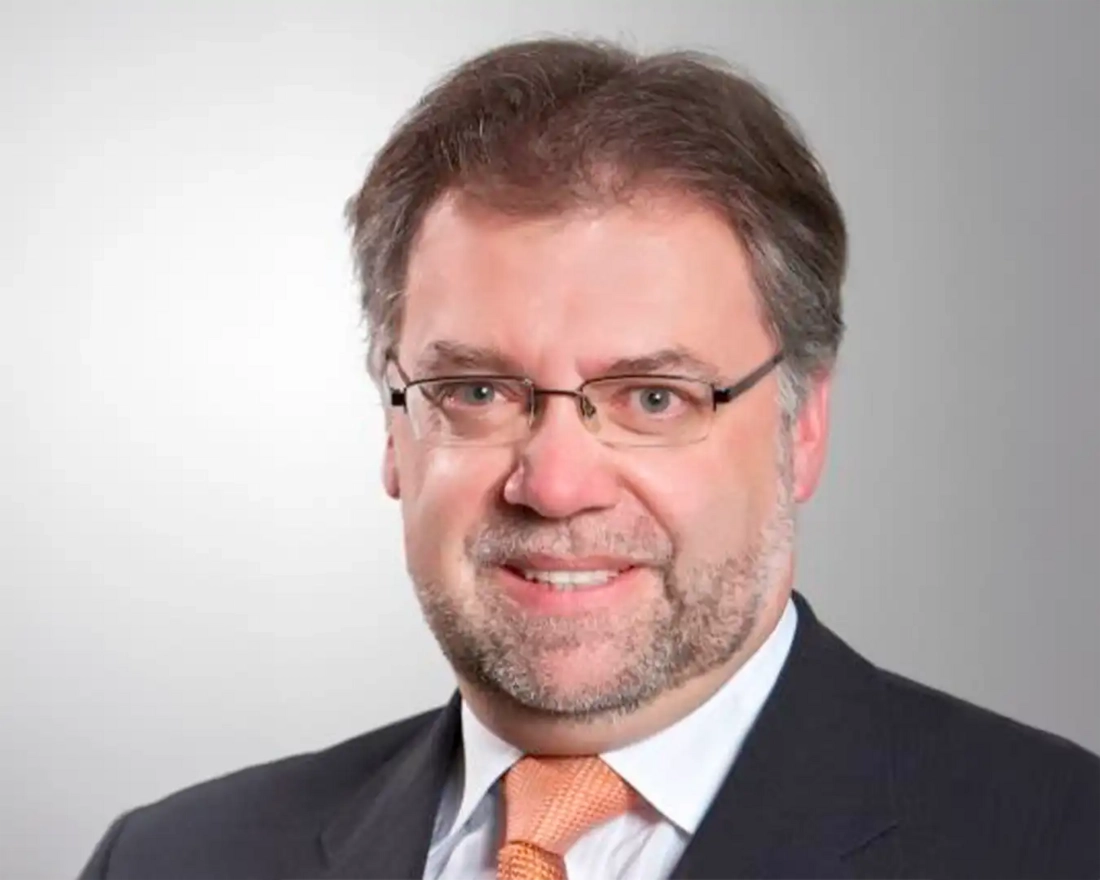
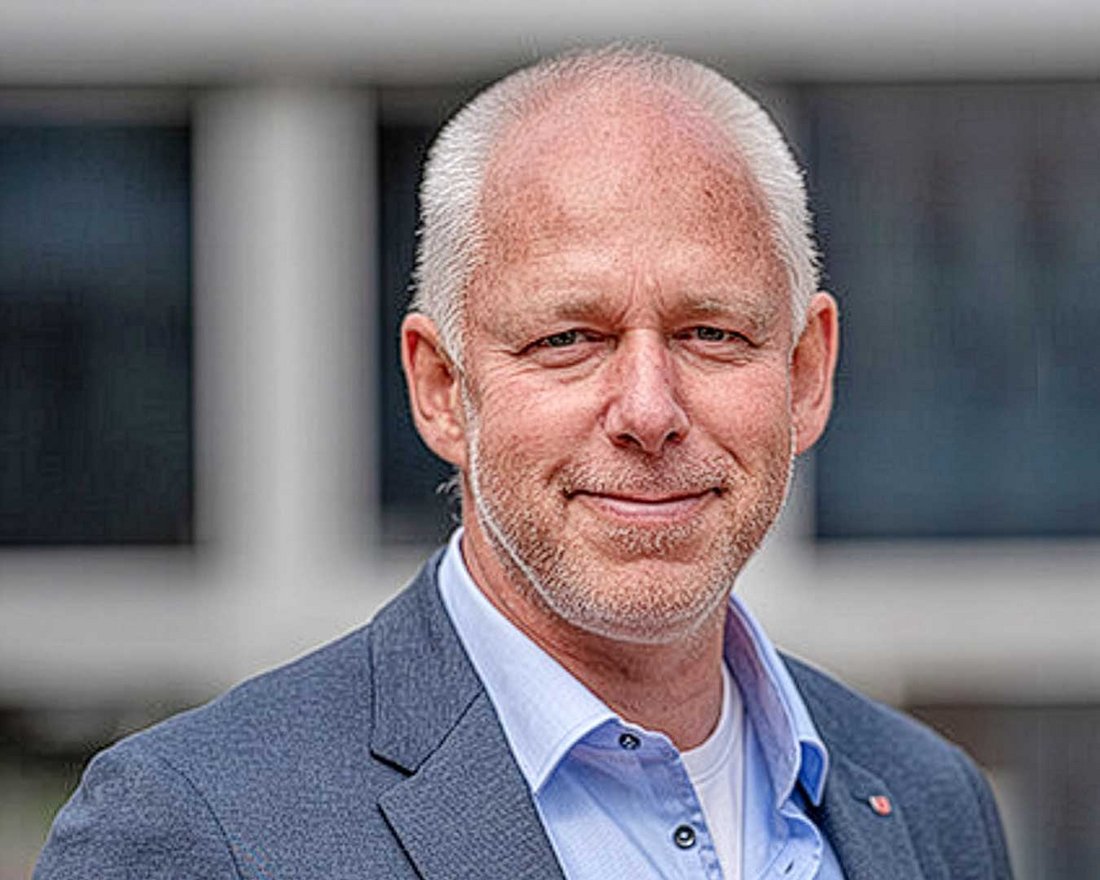
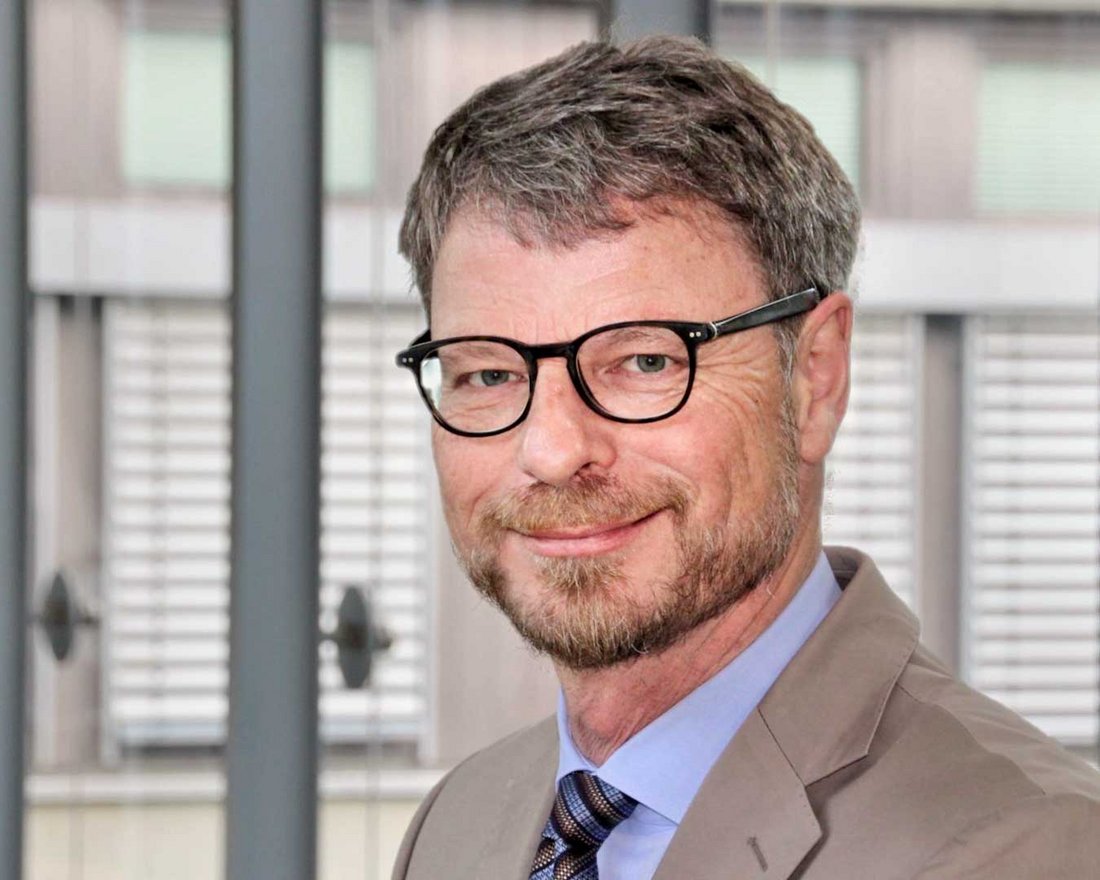
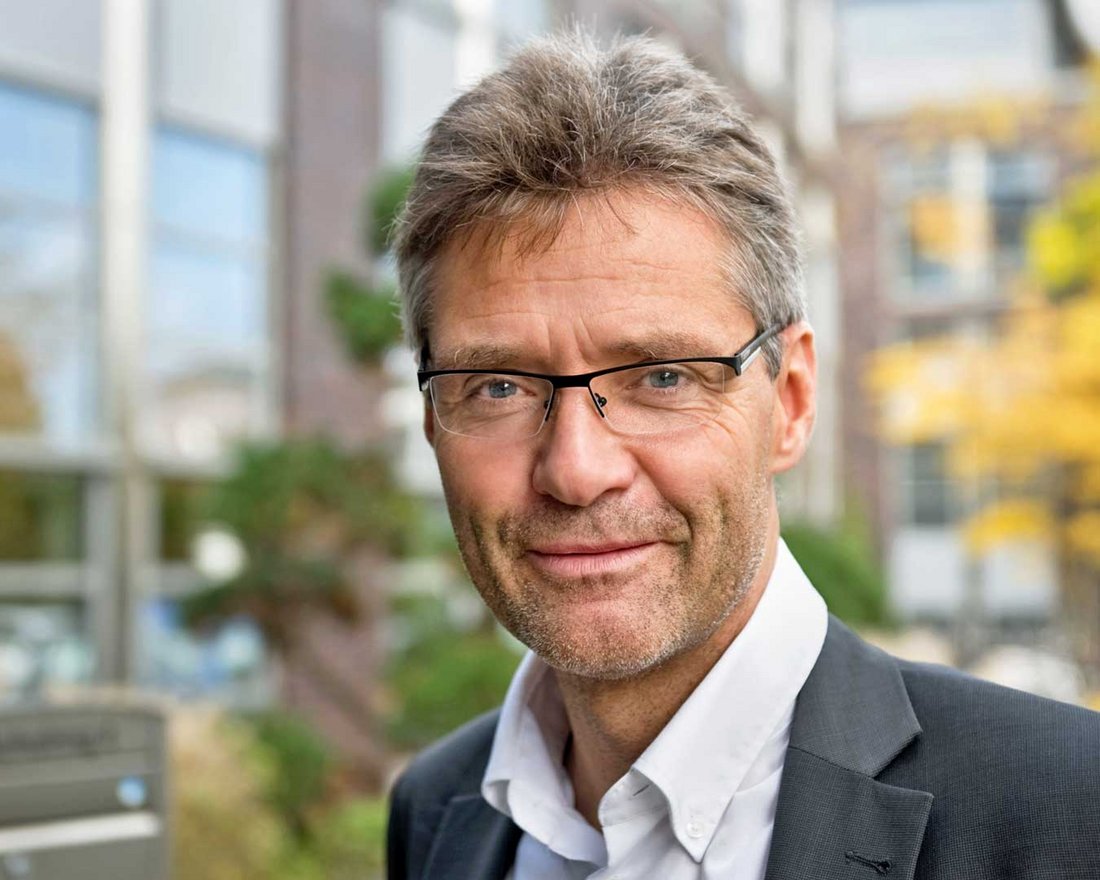
Individual members
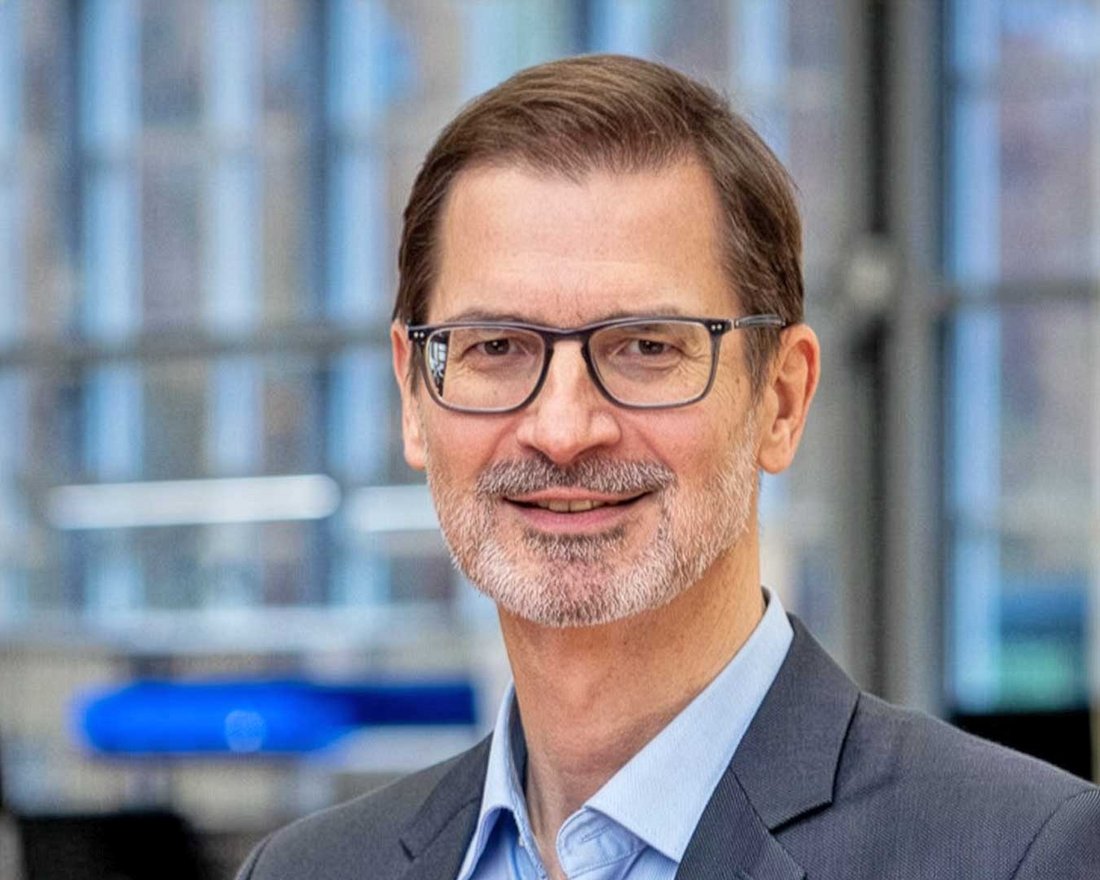
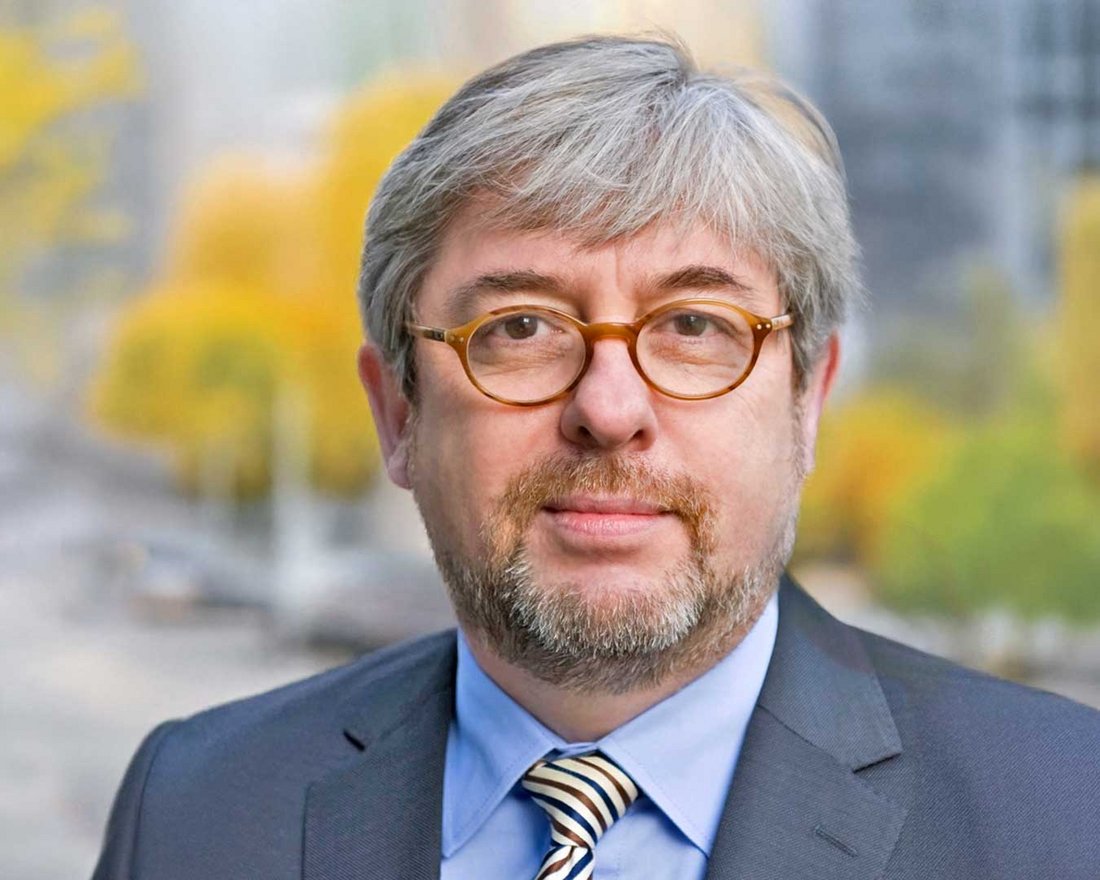
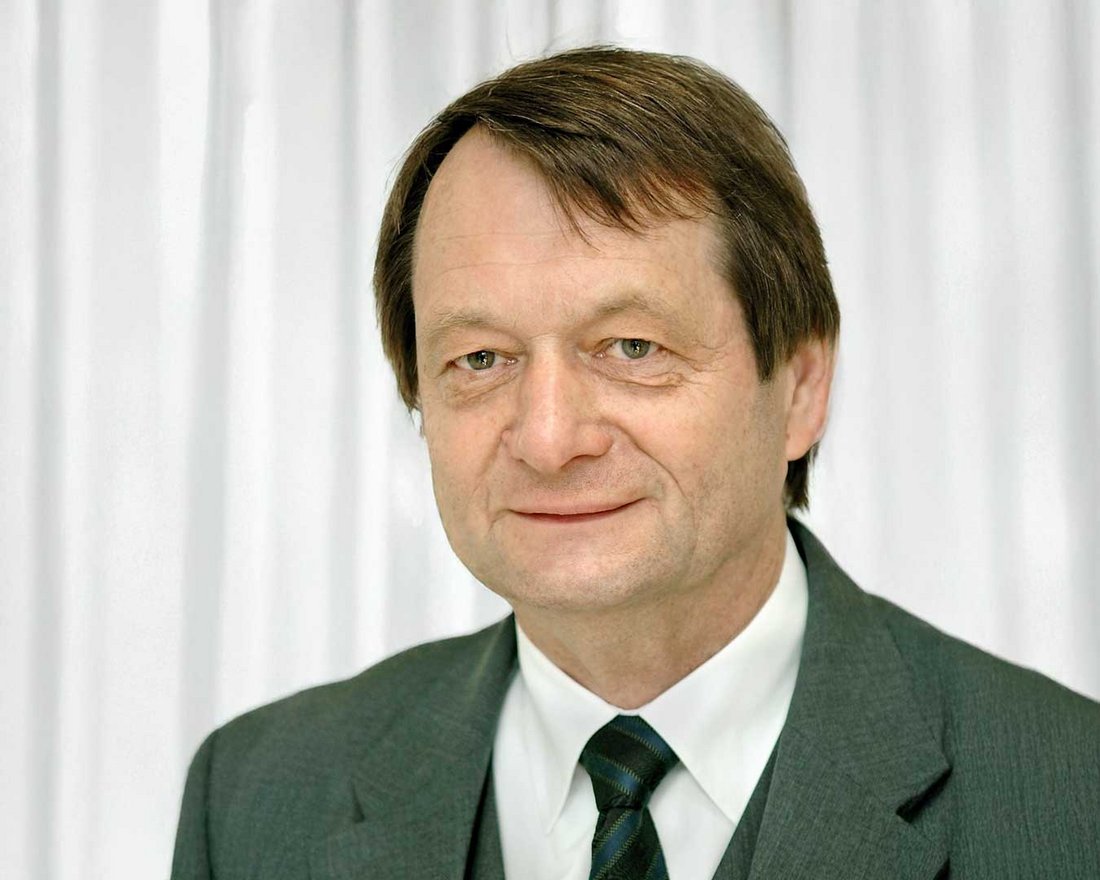
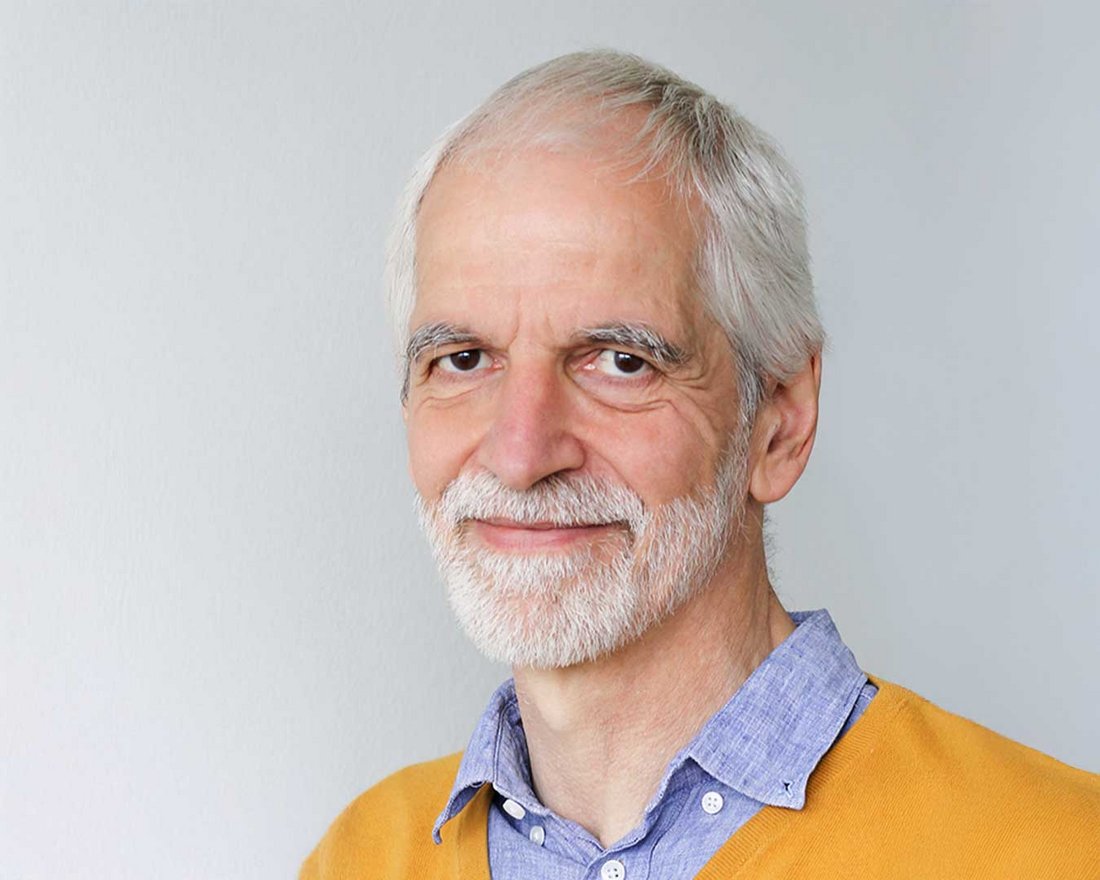
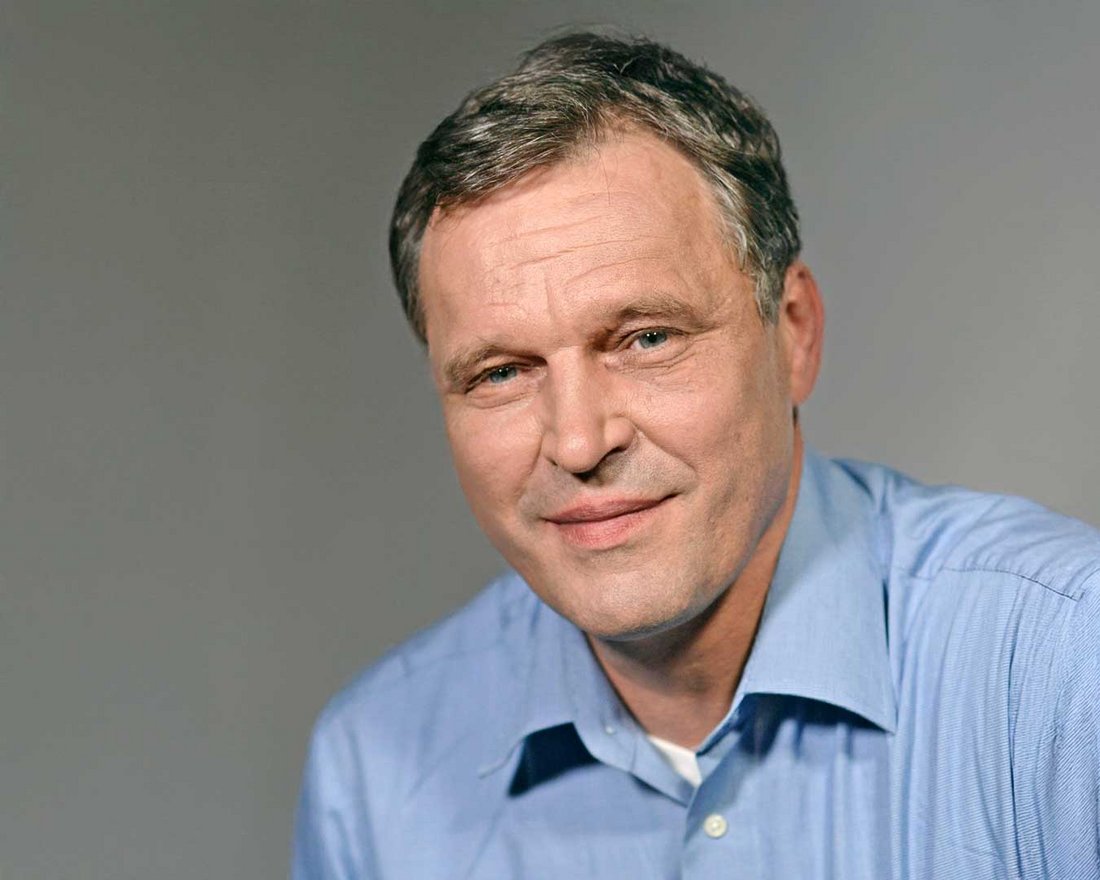
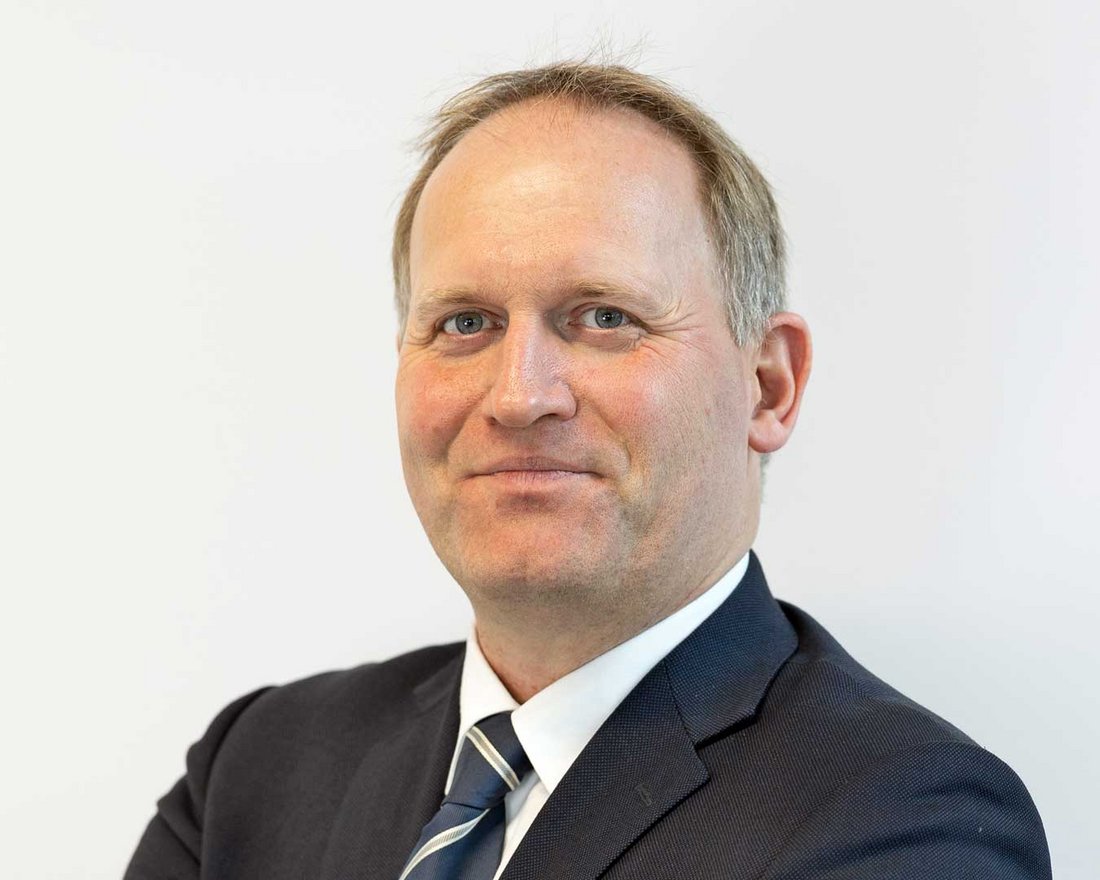
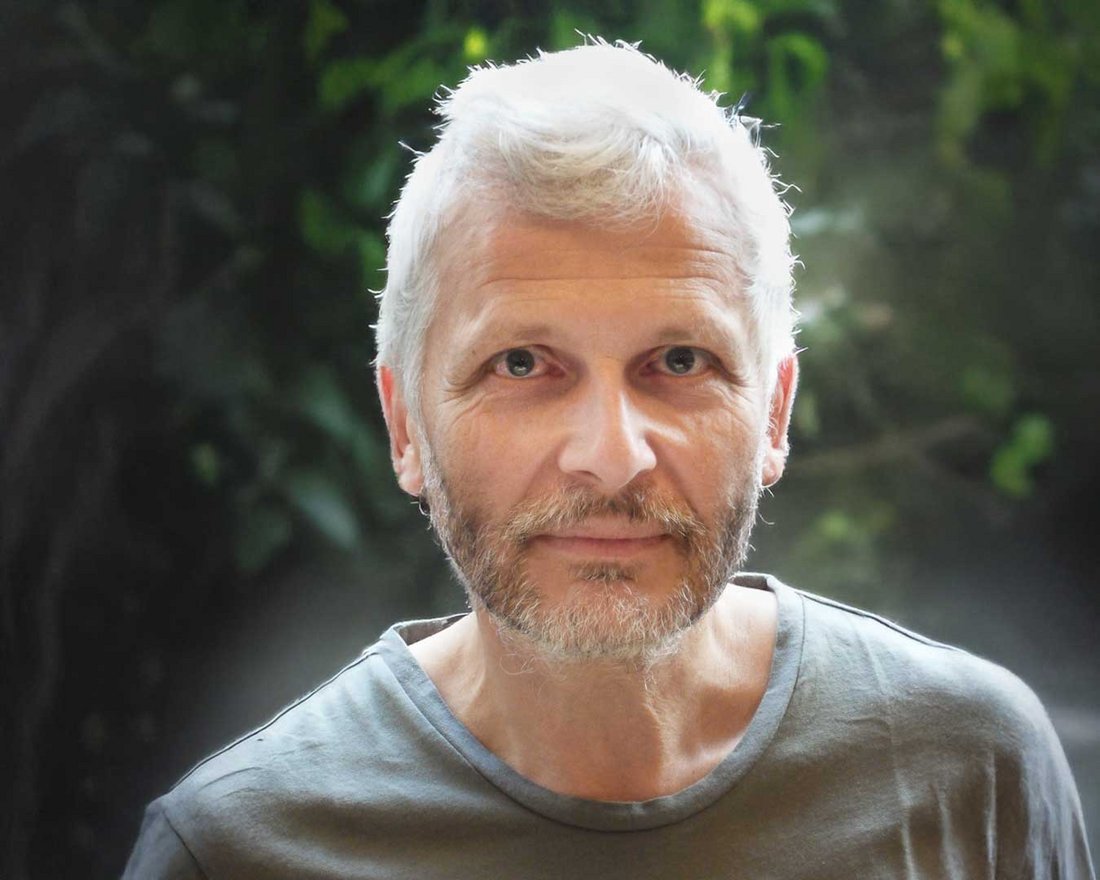
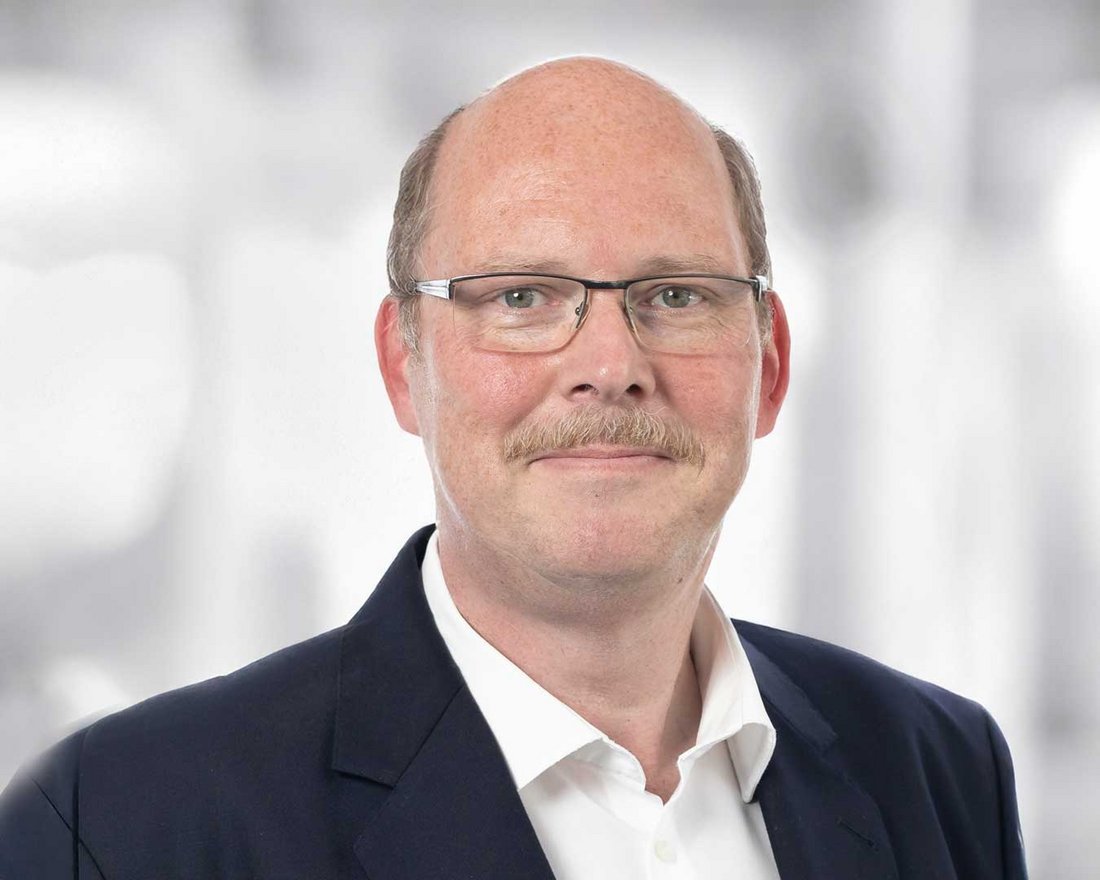
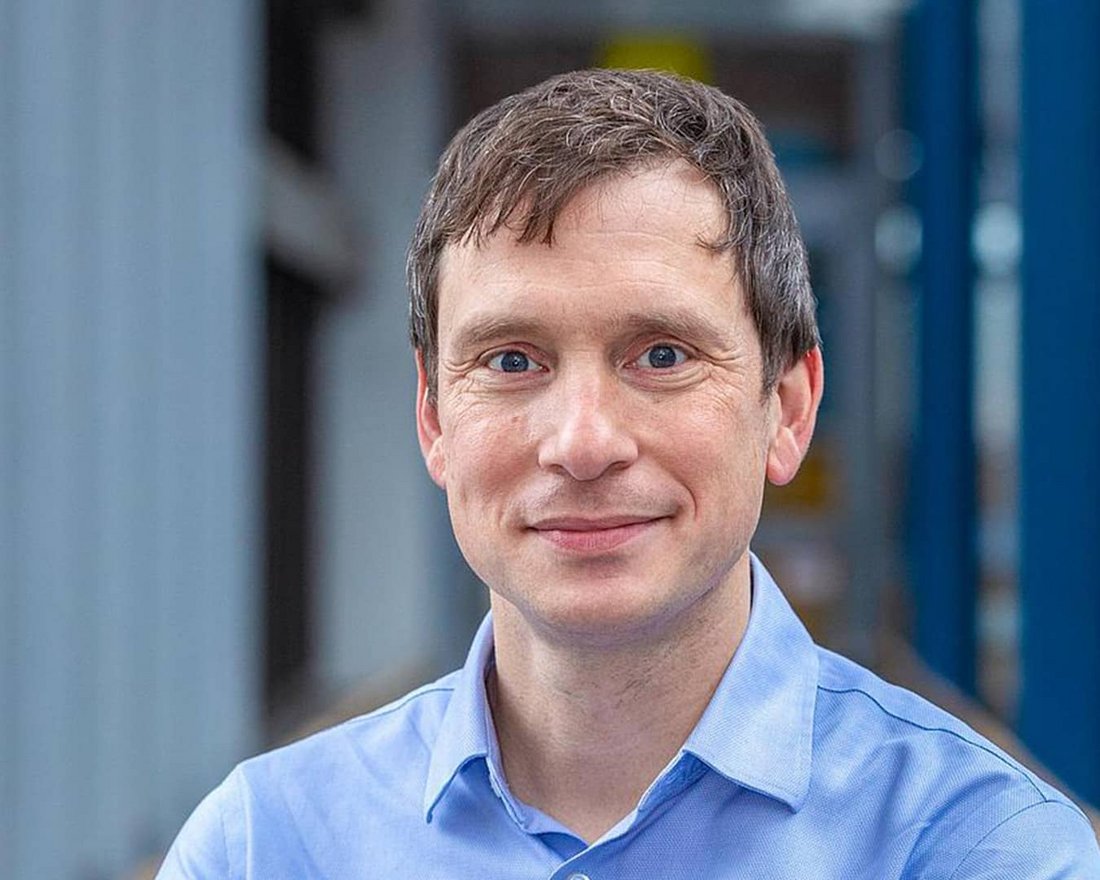
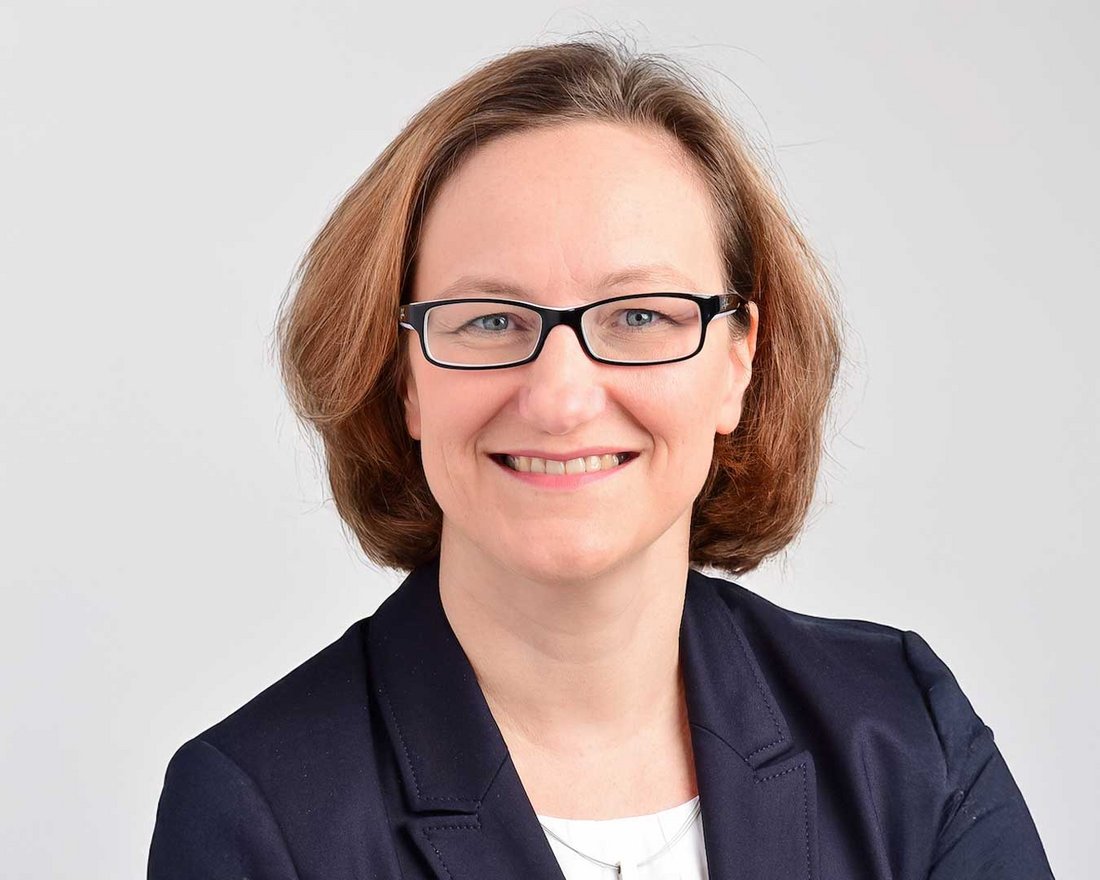
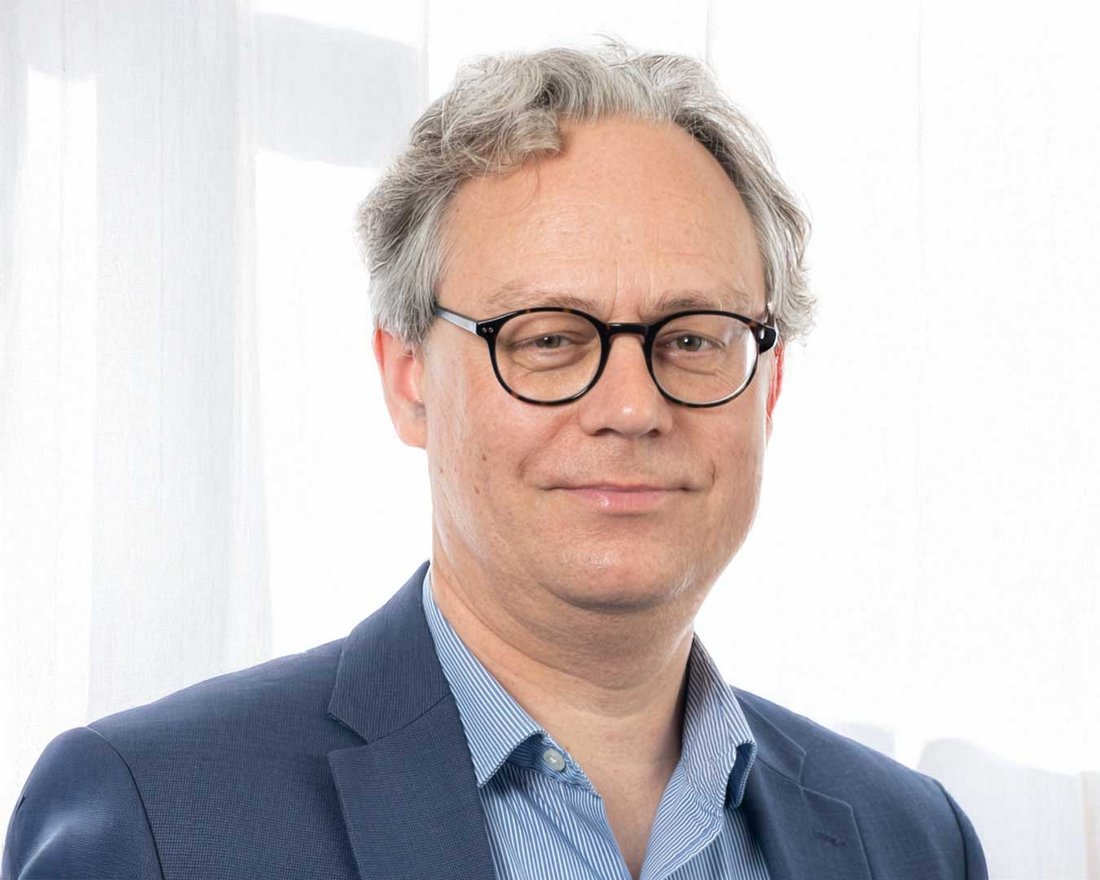
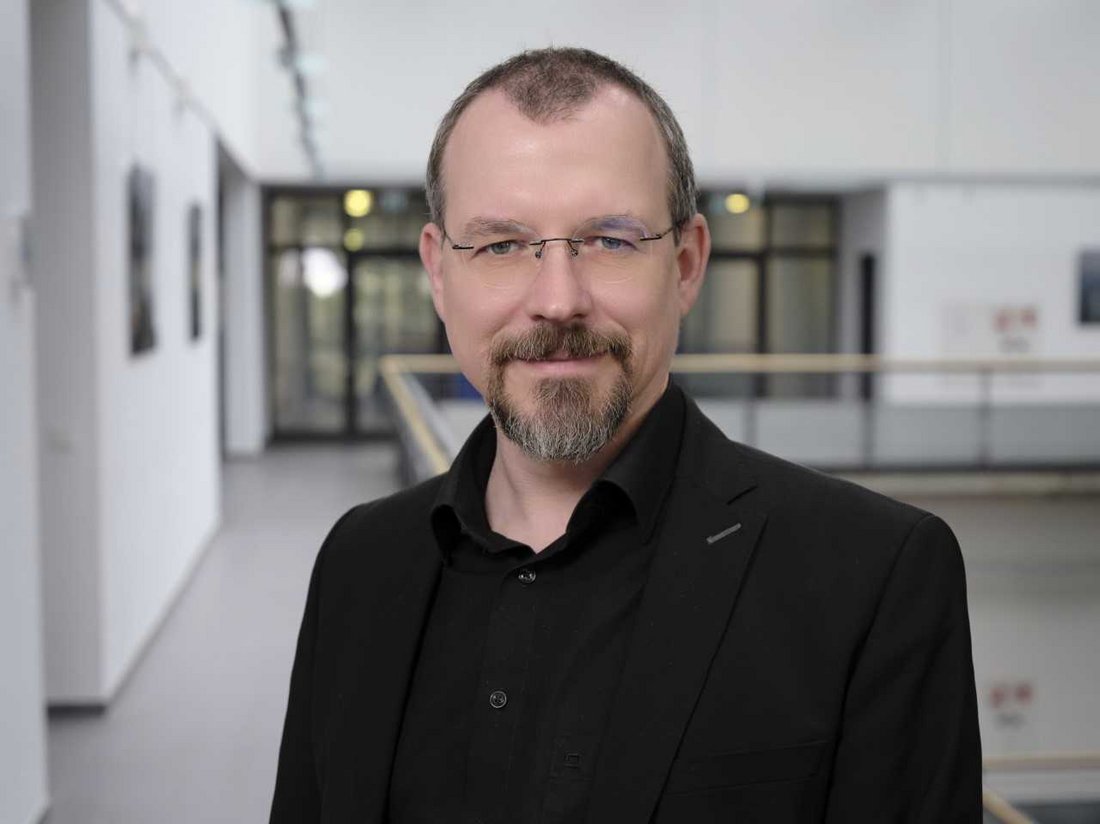
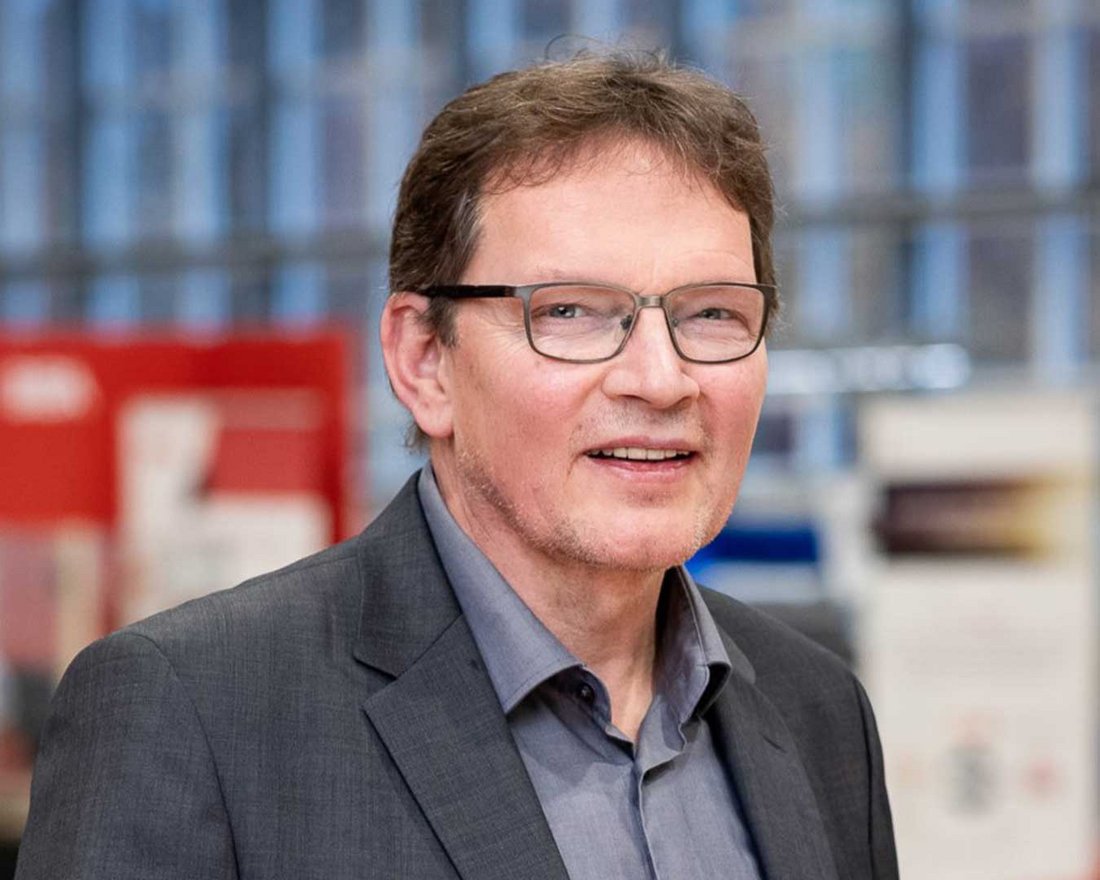
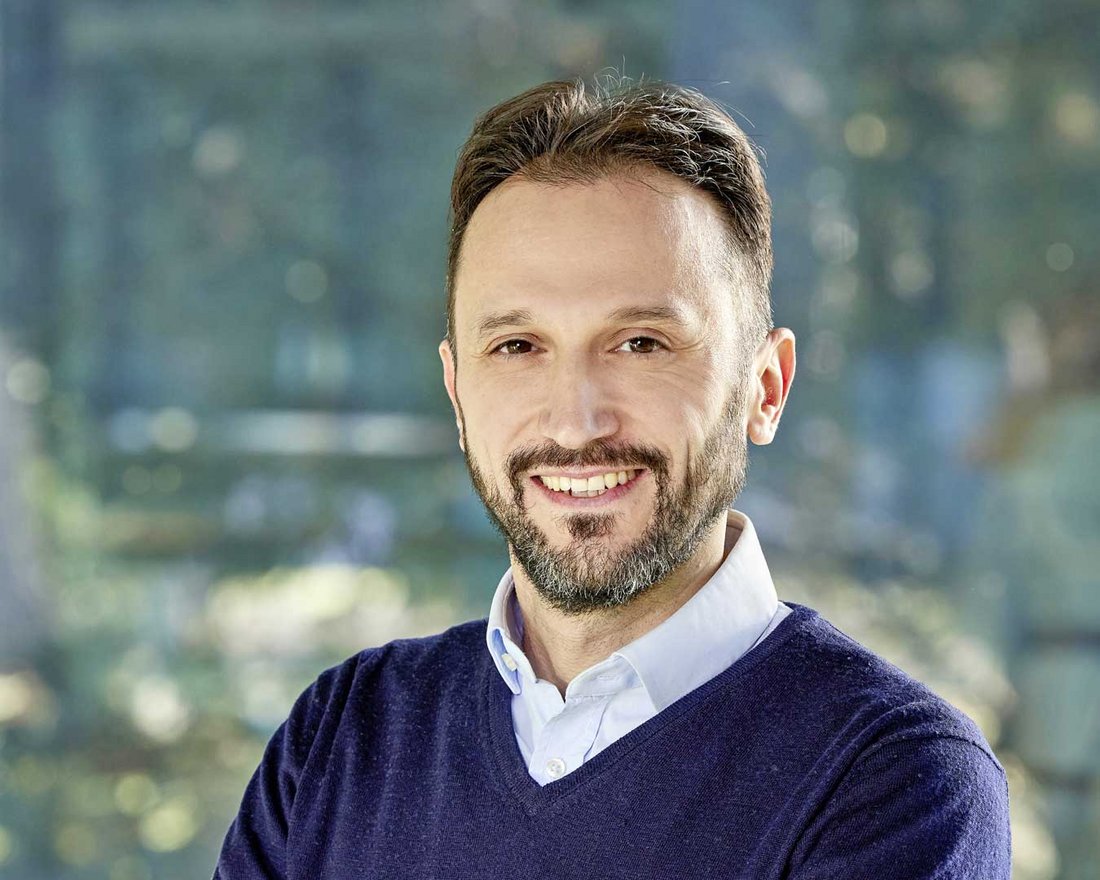
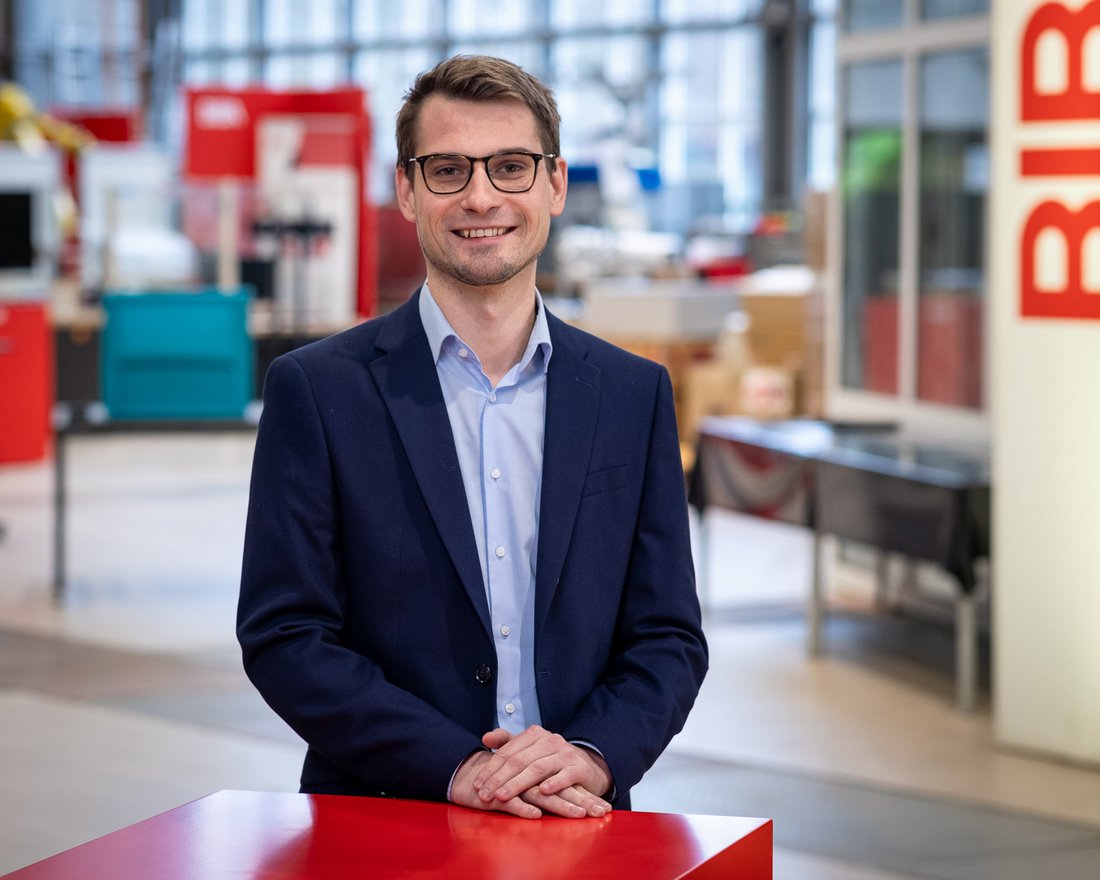
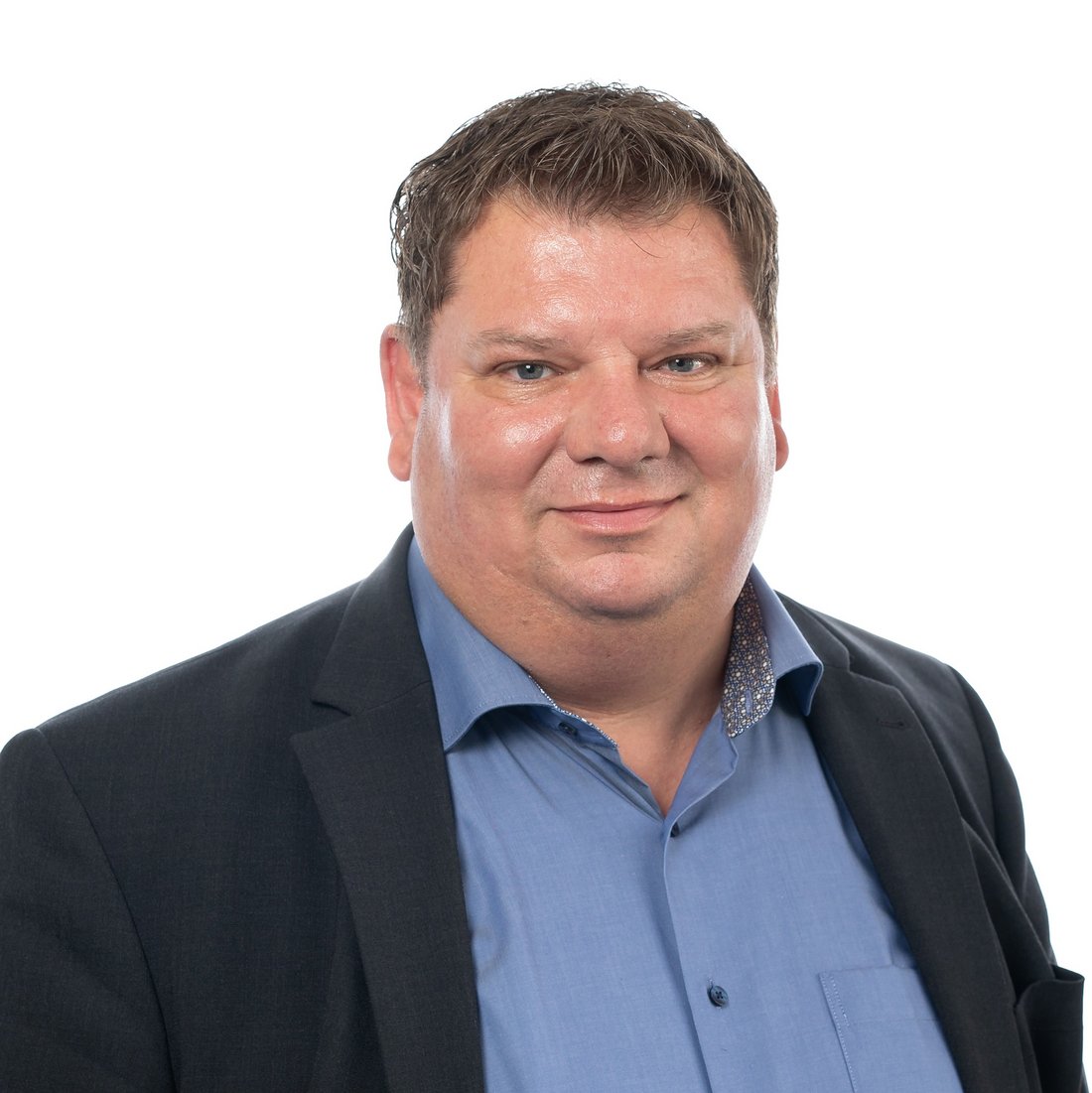
Our experts form the heart of LogDynamics. They bring together interdisciplinary skills from technology, business, and IT.


Institutional members
Leading research institutions in the state of Bremen pool their expertise here. Renowned institutes such as BIBA and ISL are shaping the progress of the industry through their work.

Former members (alumni)
Successful partnerships do not end with the project. We maintain contact with our alumni, who now hold leadership positions around the world.
Speaker and steering committee
Speaker
The spokesperson and deputy spokesperson head the FTS Logistics and represent it in dealings with stakeholders in business and society. In particular, they are the points of contact for the science authority of the state of Bremen.
Spokesperson for FTS Logistics:
Prof. Dr.-Ing. Michael Freitag
University of Bremen, FB 4, BIBA - Bremen Institute for Production and Logistics
Deputy spokesperson for FTS Logistics:
Prof. Dr. Matthias Klumpp
University of Bremen, FB 7, Retail and Logistics Management
Steering committee
The steering committee's tasks include strategic planning to achieve the FTS's objectives, planning and implementing FTS measures, and initiating discussions on the role of science for Bremen/Bremerhaven as a logistics location.
The members of the steering committee are:
Prof. Dr. Michael Freitag
University of Bremen, Department 4, BIBA - Bremen Institute for Production and Logistics
Prof. Dr. Matthias Klumpp
University of Bremen, Department 7, Retail and Logistics Management
Prof. Dr. Daniel Schmand
University of Bremen, Department 3, Center for Industrial Mathematics (ZeTeM)
Prof. Dr.-Ing. Hendro Wicaksono
Constructor University, Industrial Engineering
LogDynamics history: An established presence in Bremen for 30 years
The history of LogDynamics illustrates how a good idea has grown into a lasting success story. For over 30 years, we have been working in Bremen to profitably combine research and practice. Our focus is not solely on theory, but on reliable results for logistics and the training of young professionals.
The state of Bremen and the university have supported us in this endeavor from the very beginning. Thanks to their reliable support, we have been able to continuously develop. What began as a small initiative is now a network that is renowned far beyond the borders of Bremen. The increasing project funding and the many talented individuals who come to us to pursue their PhDs confirm that we are on the right track.
From founding to logistics AI and robotics
In terms of content, we have always been future-oriented. Our founding members, such as BIBA (Bremen Institute of Production and Logistics) and ISL (Institute of Shipping Economics and Logistics), set the course for modern topics at an early stage.
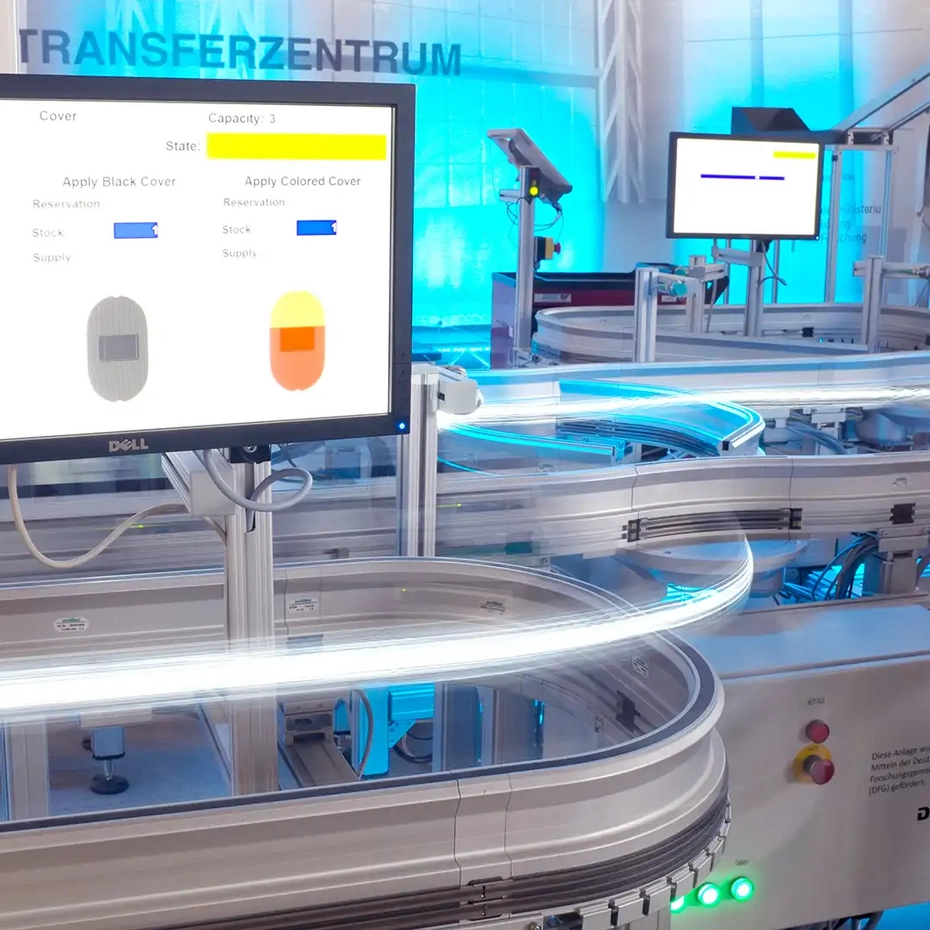
- The beginning: Initially, the focus was on networking the various institutes in Bremen and establishing joint planning.
- 2005: With the “Bremen Research Cluster for Dynamics in Logistics,” the topic of self-control gained importance—Bremen thus became a household name in logistics research worldwide.
- Digital transformation: Later, the Internet of Things (IoT) and Industry 4.0 were integrated. We investigated how technology can be meaningfully implemented in everyday work.
- Today: We are currently focusing intensively on AI in logistics and modern robotics. The aim is to determine how computers and machines can support humans and how global supply chains can remain stable even under difficult conditions.
LogDynamics members: Regionally rooted, globally networked
Even though we operate internationally, LogDynamics remains at its core a Bremen institution. We work for and with Bremen as a logistics location. Our goal remains clearly defined: we use our three pillars of research, training, and transfer to optimize logistics. In doing so, we remain true to our proven methods, but are always open to new technologies and innovative ideas.